The phone rings. It is a tenant asking for their M-Pesa payment receipt from last week. You hang up. It rings again. Another tenant wants to report a leaking tap. You take down the details on a notepad. A third call comes in. Someone is asking if they can pay half the rent today and the rest next week.
This is not a bad morning. This is every morning for many property managers in Kenya. The job becomes less about managing properties and more about managing a constant stream of calls, messages, and paper receipts.
The work that never shows up on a balance sheet
A property manager handling 20 units can easily spend 10 to 15 hours a week on communication and administrative tasks alone. KODISAP, our rent automation product, exists because we lived this routine managing a relative's rental units. That time goes on:
- Answering the same rent balance questions
- Manually sending payment reminders via SMS or WhatsApp
- Writing and dispatching paper receipts
- Logging maintenance requests in a book or spreadsheet
- Chasing down contractors and updating tenants
This is not strategic work. It is clerical work that scales linearly with every new tenant you add. The more successful you are, the more your day gets eaten by these small tasks.

Where the hours actually go
This is not just our observation. According to Mordor Intelligence's property management software market report, manual clerical tasks can consume up to 30% of a property manager's labour hours, and automation is what displaces them.
30% of labour hours: the share of a property manager's time that manual clerical tasks can consume, according to Mordor Intelligence's property management software market report.
Think about what you could do with that time back. You could focus on finding new properties to manage. You could improve relationships with your best landlords. You could actually inspect your units regularly instead of just putting out fires.
A portal is just a shared digital space
A tenant portal is not a complex piece of corporate software. For a Kenyan property manager, it is a simple mobile app that does three things well:
- Lets tenants see their balance and payment history anytime
- Allows them to submit maintenance requests with photos
- Sends automated reminders and receipts directly to their phone
The key is that it is built for the devices people actually use. According to a Cloudflare report covered by Techweez in 2025, over 94% of smartphones in Kenya run on Android. Your portal must be an Android-first mobile app. A website is not enough: your tenants live on their phones.
The mechanics of getting time back
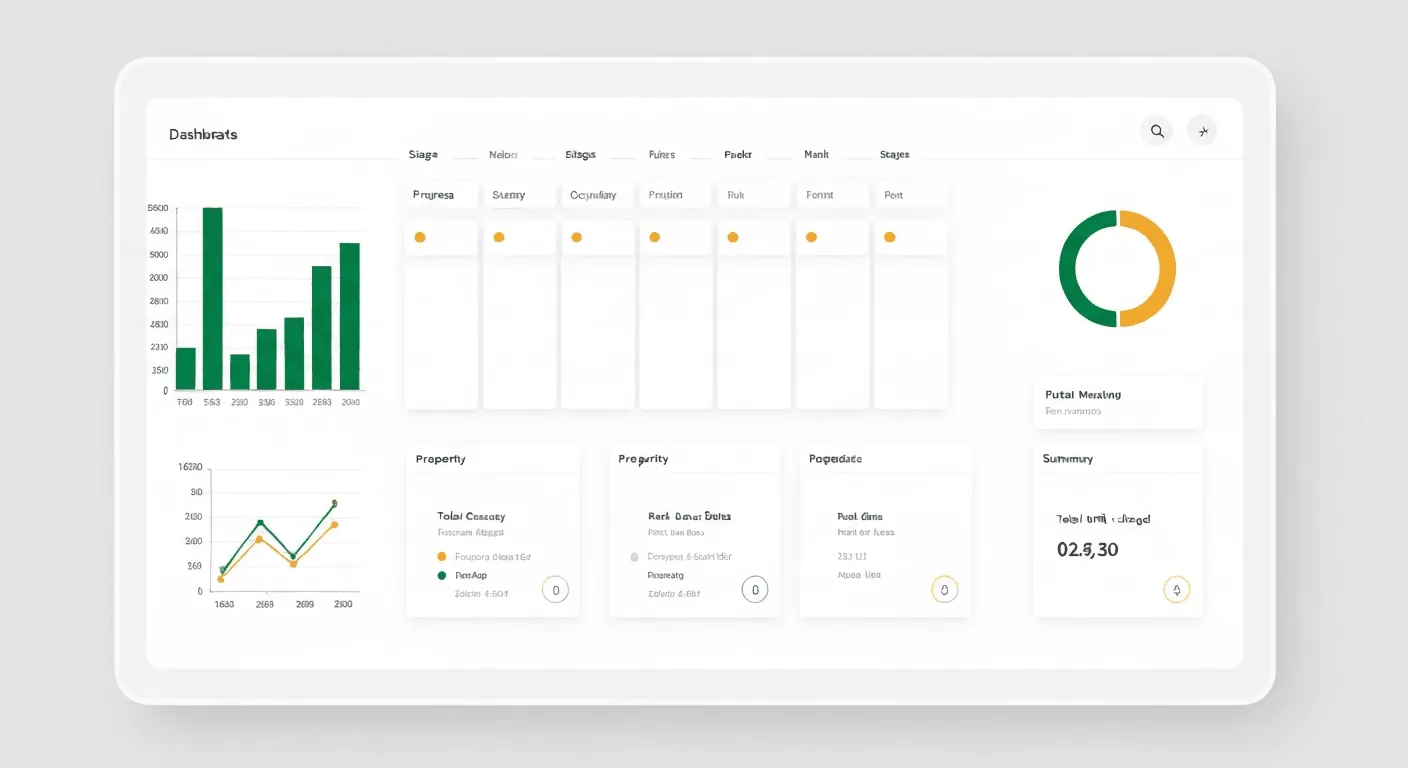
How does this actually save hours? The automation handles the repetitive communication. When rent is due, the system sends a reminder. When a payment is made via M-Pesa, a receipt is generated and sent automatically. The tenant does not need to call you to ask if you got it, they can see the updated balance in the app.
A maintenance request comes in as a structured ticket with a photo of the problem, not a frantic phone call. You can assign it to a plumber directly from your own manager's dashboard, and the tenant gets updates on the status. No more playing middleman in a long text message chain.
This is not a futuristic idea. Platforms like DigiTenant report that automated reminders can reduce late payments by up to 75%. That is less time spent following up on arrears.

What it costs to stop being a switchboard
The biggest question is always cost. Going by published market guides, a custom tenant portal app in Kenya typically falls into the 'moderate complexity' category. This means a focused app for tenants (Android) paired with a web dashboard for you, with core features like M-Pesa integration, notifications, and a simple ticket system.
Based on guides from local developers, the investment for such an app generally ranges between Ksh 300,000 and Ksh 700,000. The final figure depends on the specific features you need.
Do the math against the hours you are losing. If a portal saves you 10 hours a week, that is over 500 hours a year. What is your time worth? What is the cost of the new business you are not pursuing because you are stuck managing receipts?
Your phone should ring for the right reasons
The goal is not to eliminate communication with your tenants. It is to change its nature. The phone should ring when there is a real emergency, or when a long-term tenant wants to renew their lease. Not because someone needs a duplicate receipt.
A tenant portal turns you from a reactive operator into a proactive manager. The hours you get back are not just free time, they are the capacity to grow your business beyond the daily administrative grind. That first quiet morning, when your phone does not light up with balance inquiries, is when you will feel the difference.
Want to see what this looks like for your organization?
Talk to Us on WhatsApp